 Bulk Orders | International Shipping | Gift Hampers | +91 773 8899 165


DANGEROUS DEFICIENCIES
It is important that we choose our food wisely and include nutrients in our daily meals that are good for our bones. These nutrients go a long way in maintaining a healthy lifestyle and keeping one away from many age-related joint conditions.
People who suffer from disorders which involve painful swelling of joints should include plenty of oily fish, such as salmon, mackerel, trout or sardines, in their diet. Several research studies claim that mild relief for joint problems has been obtained from fish oils, which contain Omega3 fatty acids. These seem to reduce the potency of the inflammatory compounds released by the body.
Those suffering from gout should take fish oils as a supplement rather than eat fresh fish, which may build a gradual intake of uric acid. When the blood contains excessive amounts of uric acid, crystals can form in the joints of susceptible people.
There is scientific evidence that diets low in antioxidants, particularly the trace mineral selenium and vitamins A,C, and E - may predispose some people to joint problems.
To increase your intake of these nutrients, meals should include a weekly portion of liver (but not during pregnancy) for it's vitamin A, and plenty of carrots, mangoes, apricots, sweet potatoes and melon. All of these are excellent sources of beta carotene, which the body turns into Vitamin A. Red and yellow peppers, kiwi fruit, oranges and cabbage are all rich sources of vitamin C, and avocados, nuts sunflower seeds and olive oil are rich in Vitamin E. Selenium is found in all fish and shell-fish, as well as in meat, whole grains and cereals and eggs.
COMMON JOINT PROBLEMS
Bursitis is an acute inflammation of a bursa - a fluid filled sac situated in parts of the body, such as joints, where friction would otherwise occur. The areas most often affected are the elbow and the knee.
When the particular sheath around a tendon becomes inflamed through overuse and strain, the condition is called tenosynovitis. This painful reaction usually affects the fingers and the tendons of the wrist.
Tennis elbow is probably the best known example of inflammation at a site where tendons or ligaments join onto bones. It may be the result of playing tennis, but more frequently it is caused by repetitive manual tasks such as painting and decorating or housework.
Golfer's elbow has a similarly painful effect, but occurs on the inside of the elbow joint.
Frozen shoulder, as it's name suggests, is a chronic, painful stiffness of the shoulder joint. It may stem from injury or soft tissue problems, though it may rise for no apparent reason. At it's worst, it is excruciatingly painful and allows only a restricted degree of movement of the affected limb.
Some painful joint disorders may need surgery or localised injections of steroids. However, all but the most serious problems can be treated quite successfully with massage, osteopathy, physiotherapy, chiropractic medicine, or acupuncture. A combination of these complementary therapies may be particularly helpful.
When muscles attached to a painful or displaced joint go into spasm, they can prevent the joint returning to its rightful position. Stress can further exacerbate the problem, freezing up the muscles. Massage can help to release the tension; correct posture also helps.
Make sure your chair is properly adjusted at work and, if you sit at a computer all day, find out how best to position the keyboard, screen and desk from your health and safety advisor.
AVOID OBESITY
A common cause of joint problems, particularly of the hips and knees, is excessive body weight, which can also add to the pain. A study carried out in Sweden discovered that weight loss, together with the adoption of vegetarian diet, relieved several of the symptoms of arthritis. Reducing weight is one of the best things one can do for treatment of joint issues. The lesser the weight your bones have to carry, the longer and better will they function. Even 30 mins of gentle exercise or stretches in the bed can go a long way in improving lifestyle and reducing joint problems.
HIMALAYAN MOUNTAIN GARLIC FOR JOINTS
Garlic contains a compound called Allicin that works as an anti-inflammatory for joints. If eaten regularly, it can reduce conditions like frozen shoulder, knee and other joint pains. Since Garlic also fights fungus, it is a great remedy for Athlete’s foot. Himalayan Mountain Garlic that grows in the higher altitudes of the Himalayas is 7-8 times more potent that regular garlic. It is a stronger and faster remedy to achieve benefits of garlic for joint issues.
DOES SHILAJIT ACTUALLY HELP?
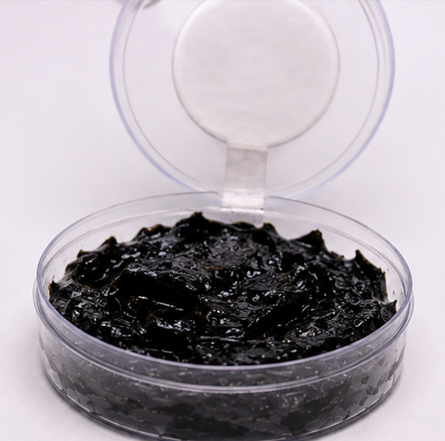
Shilajit is a natural mineral formation that is found in-between rocks in very high altitude mountains of the Himalayas. It is collected manually by farmers, cleaned and heated for consumption. Shilajit is best known as an aphrodisiac but that is only one of it’s many properties. It is great for people for face frequent fatigue, it boosts energy levels, boosts immunity and takes care of our bones we well.
High amount of Fulvic Acid present in Shilajit Resin blocks protein that signal swelling and pain in the body. The anti-oxidants present in Shilajit protect cartilage cells from breaking down under stress. It also contains important minerals like magnesium and calcium that provides food for the bones. Yes, Shilajit helps the joints in a large way. Make sure the Shilajit you choose to consume is lab tested for heavy metals and impurities. And the percentage of Fulvic Acid in the Shilajit is between 70 - 80% at least. Also remember that Shilajit Resin is the purest and most potent form of Shilajit.
MASSAGE
Most joint pains are a result of inflammation and stiffness. Massages do a great job at loosening stiff muscles and myofacial tissue around the joints. A simple massage around the joints improves blood flow that further improves the flow of lymph that helps in relieving joint problems and pains. The kind of oil that is being used for massage plays an important role. Pure Apricot Oil or Garlic oil are both known to alleviate pains. Use of hot and cold therapy also proves helpful. Ice packs, hot stone therapy, hot baths are all useful tools and simple home remedies that improve joint conditions.
If diet and nutrition are given due important during early years of life, a lot of joint problems can be avoided. And if you still are facing problems with your joints, combine doctor’s advice with home remedies. The right combination of exercise, diet, and massages can work wonders!